Tyre Sealant
What emergency tyre sealant is designed to do, its limitations and what to do after using a puncture-repair kit.
Why do cars have tyre sealant?
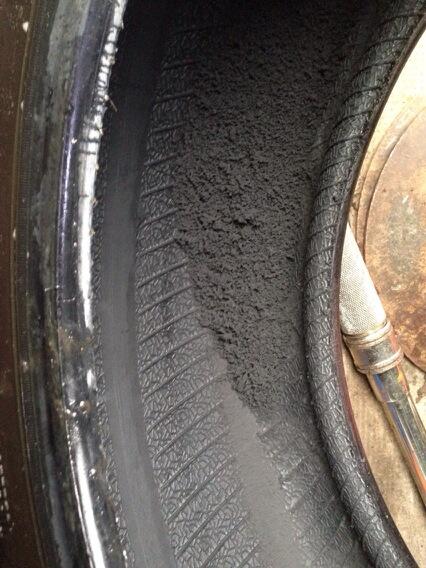
Many modern vehicles are supplied without a conventional spare wheel. Instead they may have a compressor and bottle of emergency sealant intended to provide temporary mobility after certain small punctures.
What can sealant repair?
Sealant is not a universal puncture repair. Whether a kit can be used depends on the type and location of damage and the instructions supplied with that particular vehicle or sealant product. Larger holes, sidewall damage, splits, a tyre that has come off the rim or significant structural damage may be beyond the kit’s capability.
Driving on a deflated tyre can cause hidden damage
If the vehicle has travelled while the tyre was severely underinflated, the casing or sidewall may have been damaged before sealant is added. Restoring pressure does not prove that the tyre is structurally sound.
After using sealant
- Follow the speed and distance restrictions supplied with the repair kit.
- Arrange professional inspection as soon as practical.
- Tell the tyre fitter that sealant has been used.
- Do not assume the tyre can subsequently receive a permanent repair; repairability depends on its condition, the damage and the product used.
- Replace or replenish the sealant bottle if required and check its expiry date.
Check the kit before you need it
If your car has no spare wheel, familiarise yourself with the compressor and sealant before a breakdown. Make sure the bottle is in date and that all required hoses/adaptors are present.
For puncture-repair information see our puncture repair guide.
Need Help After a Puncture?
For mobile tyre fitting or roadside tyre replacement in Norwich, contact us with your location and tyre details.